Discover premium surfactants for various applications. Reliable export services, competitive prices, and high performance guaranteed.

Hot Stuff: How Nickel Alloy Armor Shields Furnaces from Meltdown
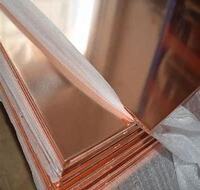
(High-Temperature Strength Performance Of Nickel-Based Alloy Composite Plates In Heat Treatment Furnaces)
Ever wonder what keeps giant industrial furnaces from turning into puddles of molten metal themselves? Inside those fiery boxes, where temperatures soar high enough to soften steel, special materials stand guard. One superstar in this extreme environment is the nickel-based alloy composite plate. This isn’t your average sheet metal. It’s a high-tech shield, built tough to laugh in the face of blistering heat. Let’s peel back the furnace door and see why these plates are the unsung heroes of heat treatment.
1. What Exactly Are Nickel-Based Alloy Composite Plates?
Think of them like a super-sandwich designed for hellish conditions. At their core, nickel-based alloy composite plates are a clever fusion of materials. A thick, sturdy base layer, usually made from strong carbon steel or another robust alloy, provides the main structure and backbone. Bonded firmly to this base is the star player: a layer of nickel-based alloy.
Nickel alloys are tough cookies. They’re metals mixed with nickel plus elements like chromium, molybdenum, and sometimes cobalt or tungsten. This special blend gives them incredible resistance to heat, corrosion, and wear. The composite plate brings together the best of both worlds: the cost-effective strength of the base metal and the extreme high-temperature performance of the nickel alloy cladding. It’s way smarter and often cheaper than making the whole part from solid nickel alloy.
2. Why Do Heat Treatment Furnaces Absolutely Need This High-Temperature Strength?
Heat treatment furnaces are brutal places. Processes like annealing, hardening, or brazing demand temperatures often exceeding 1000°C (1832°F), sometimes pushing much higher. Inside, components like furnace rolls (which carry heavy loads of hot metal), radiant tubes (which contain burning gases), muffles (protective inner chambers), and structural supports face constant assault.
Regular steel? Forget it. It softens, warps, creeps (slowly deforms under stress), and corrodes rapidly under these conditions. Failure isn’t just inconvenient; it means costly shutdowns, damaged products, and safety hazards. Nickel-based alloy composite plates provide the essential “high-temperature strength performance.” This means they keep their shape under heavy loads at extreme heat. They resist softening. They fight off creep. They don’t buckle or sag. Simply put, they survive where other materials fail, ensuring the furnace keeps running reliably and safely.
3. How Do These Plates Deliver Such Tough Performance in the Heat?
Their secret weapon is the nickel alloy cladding and how it’s bonded. Nickel alloys are naturally gifted for high heat:
Heat Resistance: They maintain significant strength much longer as temperatures rise compared to ordinary steels. They don’t soften nearly as quickly.
Creep Resistance: They resist that slow, continuous deformation under stress at high temperatures. Think of it like the alloy refusing to slowly stretch out of shape over time.
Oxidation & Corrosion Resistance: The chromium in these alloys forms a super-tough, invisible oxide layer (like a force field) on the surface. This shield protects the metal underneath from reacting with oxygen and other corrosive furnace gases, preventing scaling and pitting. Elements like molybdenum add even more resistance to specific corrosive agents.
Strong Bond: The cladding isn’t just glued on. Advanced techniques like explosive bonding, roll bonding, or specialized welding create a metallurgical bond. This means the nickel alloy layer fuses tightly with the steel base at the atomic level. The bond is incredibly strong, ensuring heat and stress transfer efficiently without the layers peeling apart. This bond is critical for the plate’s overall structural integrity under thermal cycling.
4. Key Applications: Where These Tough Plates Earn Their Keep
You’ll find nickel-based alloy composite plates working hard in critical furnace zones:
Furnace Rolls: These rollers carry heavy steel slabs, bars, or coils through the furnace. Composite plates form the roll surface or end discs. They withstand the weight, the heat, and prevent the rolls from sagging or wearing out prematurely. No more twisted rolls stopping production.
Radiant Tubes: These tubes contain the hot combustion gases that heat the furnace indirectly. Made from or lined with composite plate, they resist the intense heat inside, external furnace atmosphere corrosion, and the pressure of the gases. A burst tube is a disaster; these plates prevent it.
Muffles & Retorts: These are inner containers holding parts being treated in a protective atmosphere. Composite plates ensure the muffle itself doesn’t degrade or contaminate the process at high temperatures. They keep the process clean and controlled.
Heat Exchangers & Baffles: Components managing heat flow within the furnace benefit from the plates’ resistance to thermal fatigue and corrosion. They direct heat efficiently without breaking down.
Structural Supports & Fixtures: Brackets, beams, and hangers inside the hot zone need to hold their shape. Composite plates provide the necessary strength at temperature without constant replacement. They keep everything in place.
5. FAQs: Your Nickel Alloy Composite Plate Questions Answered
Aren’t solid nickel alloy parts better? Not usually. Solid nickel alloy is incredibly expensive and often overkill for the entire part. Composite plates give you the high-performance surface exactly where you need it – facing the heat and corrosion – backed by a strong, more affordable base material. It’s a smarter use of resources.
How long do they last compared to regular steel parts? Dramatically longer. While regular steel parts might fail in months or even weeks under severe furnace conditions, properly selected and installed composite plates can last for many years. This means fewer shutdowns for replacements and huge savings on maintenance.
Can they handle rapid heating and cooling (thermal cycling)? Yes, a major advantage. The strong metallurgical bond and the inherent properties of nickel alloys make these composites highly resistant to thermal fatigue – the cracking caused by repeated expansion and contraction. They handle the furnace’s start-up and cool-down cycles well.
Are they difficult to fabricate or install? They require specialized welding techniques and expertise due to the different properties of the cladding and base metal. However, experienced fabricators and installers work with them routinely. The key is using shops familiar with these materials. The long-term reliability far outweighs the initial fabrication complexity.
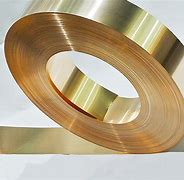
(High-Temperature Strength Performance Of Nickel-Based Alloy Composite Plates In Heat Treatment Furnaces)
What about cost? The upfront cost is higher than standard carbon steel components. But consider the total cost of ownership. Their vastly extended lifespan, reduced unplanned downtime, lower maintenance costs, and prevention of product loss due to furnace failures make them a highly cost-effective solution over time. You pay more now to save much more later.
RELATED POSTS
best spots for alloy plates farm?

3D Printing Trends Report: Market size reaches $24.8 billion tacl5
Rising prices and inflation will affect the price of amorphous graphite powder
Why is the specific rigidity of silicon aluminum carbide the highest among all electronic materials
Introduction to Titanium Carbide TiC Powder