Discover premium surfactants for various applications. Reliable export services, competitive prices, and high performance guaranteed.

PRODUCT PARAMETERS
Description
Overview of Aluminum plate
Aluminum plates are thin sheets made from aluminum alloys, known for their unique properties. These plates can be manufactured in various thicknesses and sizes, making them suitable for a wide range of applications from architectural finishes to aerospace engineering. Aluminum plates are favored for their lightweight yet durable nature, excellent corrosion resistance, and good electrical and thermal conductivity.
Features of Aluminum plate
Lightweight: Aluminum has a relatively low density, making it significantly lighter than other metals like steel. This characteristic is especially beneficial in industries where weight reduction is crucial, such as aviation and automotive manufacturing.
Corrosion Resistance: Aluminum naturally forms a thin, protective oxide layer on its surface when exposed to air. This layer prevents further oxidation and corrosion, ensuring the material remains stable even in harsh environments.
Good Electrical Conductivity: Although not as conductive as copper, aluminum still possesses excellent electrical conductivity. It is often used in power transmission lines and electronic devices due to this property.
Excellent Thermal Conductivity: Aluminum plates are effective heat transfer mediums, ideal for use in radiators or products requiring efficient heat dissipation.
High Machinability: They are easy to cut, bend, weld, and otherwise manipulate, allowing for a wide variety of designs and applications.
Aesthetic Appeal: Through processes like anodizing, aluminum plates can achieve rich, lasting colors and finishes, enhancing the visual appeal of products.
Recyclable and Environmentally Friendly: Aluminum is highly recyclable, contributing to sustainability efforts. The recycling process uses only about 5% of the energy needed to produce new aluminum from raw materials.
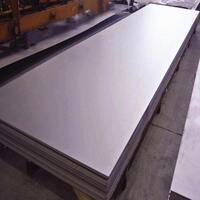
(anodized 1060 3003 5082 5052 aluminum plate aluminum plates sheets aluminum alloy plate for marine and railway transportation)
Specifications of anodized 1060 3003 5082 5052 aluminum plate aluminum plates sheets aluminum alloy plate for marine and railway transportation
These aluminum plates handle tough marine and railway jobs. We supply anodized 1060, 3003, 5052, and 5082 alloy plates. The anodizing process makes the surface much harder. It also greatly improves corrosion resistance. This is vital near saltwater and harsh weather.
1060 aluminum offers excellent corrosion resistance. It has high purity. This makes it very workable for forming. 3003 aluminum contains manganese. This gives it better strength than 1060. It still forms easily. 3003 resists corrosion well too. 5052 aluminum includes magnesium. This gives it higher strength. It handles marine atmospheres superbly. 5082 aluminum is famous for welding. It keeps strength after welding. This is important for building rail cars and ship parts.
Our plates come in many thicknesses. You can get thin sheets at 0.5mm. You can also get thick plates up to 150mm. Standard widths are 1000mm, 1220mm, 1500mm, 2000mm. Lengths are typically 2000mm, 2440mm, 3000mm, 6000mm. Custom sizes are possible. We check the surface finish carefully. It must be smooth and consistent. The anodized layer is uniform. Color options are usually clear, black, gold, or bronze. The coating thickness is precisely controlled.
These plates resist rust extremely well. This is critical for ships and coastal rail lines. The hard anodized surface fights wear and scratches. It lasts longer under heavy use. The material is strong but relatively light. This helps reduce weight in vehicles and structures. It saves fuel costs. Anodizing provides good electrical insulation. This is useful near tracks and electrical systems. The surface is easier to clean. Dirt and grime don’t stick as easily.
Railway builders use these plates for carriage bodies. They use them for flooring and undercarriage parts. Shipyards need them for hull components. They use them for decks, bulkheads, and superstructures. Transport equipment manufacturers use them for truck trailers and containers. The specific alloy depends on the job. 5052 or 5082 are often chosen for strength. 3003 or 1060 work well for less demanding parts.
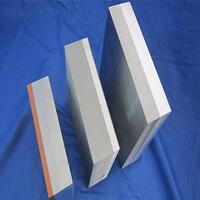
(anodized 1060 3003 5082 5052 aluminum plate aluminum plates sheets aluminum alloy plate for marine and railway transportation)
Applications of anodized 1060 3003 5082 5052 aluminum plate aluminum plates sheets aluminum alloy plate for marine and railway transportation
Plated aluminum plates like 1060, 3003, 5052, and 5082 alloys are essential for tough jobs. Marine atmospheres require strong products. Deep sea creates bad corrosion. Plated aluminum plates combat this corrosion well. The difficult anodized layer is a solid shield. It quits saltwater from eating the metal beneath. This indicates watercrafts and ships last much longer. Individuals make use of these plates for hulls, decks, and parts near water. They withstand rust and take care of wear.
Train transportation likewise utilizes these plates. Trains require light but strong materials. Plated light weight aluminum plates are much lighter than steel. This conserves gas and allows trains lug more. Home plates handle consistent resonance from tracks. They don’t crack quickly under stress and anxiety. Train cars see all weather condition. The anodized coating safeguards versus rainfall, snow, and dust. People use them for train bodies, floors, and containers. They keep their form and stamina over years.
Different alloys match different demands. 5052 and 5083 alloys are great for aquatic use. They resist deep sea incredibly well. 3003 alloy is an excellent general choice. It offers solid performance and formability. 1060 is really pure and conducts warm well. The anodizing procedure contributes to every one of them. It makes the surface area harder. It boosts wear resistance. It supplies regular color if needed. The coating is likewise easy to clean. Maintenance is easier. This saves time and money.
Makers like these plates. They machine well. They weld well. The anodized surface area approves paint or glue dependably. It bonds strongly. For aquatic and rail structure, reliability is vital. These plated light weight aluminum plates deliver that. They do continually in demanding conditions. They supply a lengthy life span. This lowers substitute expenses.
Company Introduction
Welcome to Wgraj, a premier global supplier of high-quality surfactants. Our extensive range includes anionic, cationic, nonionic, and amphoteric surfactants, catering to industries such as personal care, textiles, cleaning, and industrial applications. With advanced manufacturing facilities and rigorous quality control, we ensure that our products meet the highest international standards. We pride ourselves on our commitment to innovation, sustainability, and customer satisfaction. Our dedicated team provides tailored solutions to meet your specific needs. Partner with us for reliable, high-performance surfactants that drive your business forward. Explore our offerings and discover the difference today.
If you have any questions, please feel free to contact us(nanotrun@yahoo.com).
Payment Methods
T/T, Western Union, Paypal, Credit Card etc.
Shipment Methods
By air, by sea, by express, as customers request.
5 FAQs of anodized 1060 3003 5082 5052 aluminum plate aluminum plates sheets aluminum alloy plate for marine and railway transportation
Here are five common questions about anodized aluminum plates (1060, 3003, 5082, 5052 alloys) for marine and railway use:
What makes anodized aluminum plates good for marine and railway jobs?
These plates resist rust very well. Marine saltwater and railway conditions cause corrosion. Anodizing adds a tough layer. This layer shields the metal. It lasts longer in tough settings.
Why pick 1060, 3003, 5082, or 5052 alloys?
Each alloy fits different needs. 1060 is soft and bends easily. 3003 handles impacts well. 5082 and 5052 fight saltwater corrosion best. Railway parts often use 5052. Boats prefer 5082 for hulls.
How does anodizing help these plates?
Anodizing thickens the natural oxide skin on aluminum. It makes the surface harder. Scratches happen less. The color won’t fade. Maintenance gets easier. Clean with simple soap and water.
Can these plates survive heavy loads?
Yes. Railway cars and ship structures need strength. 5052 and 5082 alloys are strong. Anodizing doesn’t weaken them. They carry weight. They handle vibrations. They don’t crack under stress.
Are anodized plates safe around salt and chemicals?
Absolutely. The anodized layer blocks seawater damage. It resents fuel spills. It ignores de-icing salts on railways. This protection is built-in. Extra paints or coatings aren’t needed.

(anodized 1060 3003 5082 5052 aluminum plate aluminum plates sheets aluminum alloy plate for marine and railway transportation)
REQUEST A QUOTE
RELATED PRODUCTS
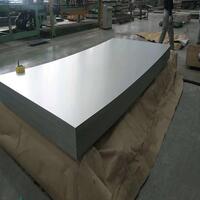
Aluminum Products Alloy Aluminum Embossed Sheet 1050/1060/1100/3003/5083/6061 Aluminum Plate For

Alloy Boat Ship Building Aluminium Sheet 5083 H116 H321 6000 Series Grade Aluminum Plate Cutting Welding Punching Included
6061 6063 7075 T6 Aluminum sheet / 6061 6063 7075 T6 Aluminum coil
ODM Customized Sheet Metal Fabrication Aluminum Stainless Steel Stamping Welding Sheet Metal Bending Plate OEM ODM