Discover premium surfactants for various applications. Reliable export services, competitive prices, and high performance guaranteed.

PRODUCT PARAMETERS
Description
Overview of Carbon Steel Plate
Carbon steel plates are fundamental materials used across various industries due to their strength, versatility, and cost-effectiveness. They are composed primarily of iron and carbon, with small amounts of other elements. These plates can be cut, formed, and joined in numerous ways to suit different applications, ranging from construction to manufacturing.
Features of Carbon Steel Plate
High Strength: Offers excellent mechanical properties for demanding applications.
Versatility: Suitable for a wide range of industrial uses including structural, machinery, and tooling.
Cost-Effective: Provides an economical solution without compromising on performance.
Ductility: Can be easily shaped or formed into desired configurations.
Durability: Resistant to wear and tear, ensuring long-lasting performance.
Weldability: Capable of being welded without loss of integrity or strength.
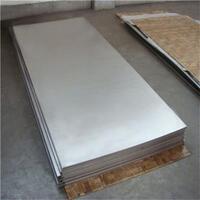
(1070 1045 1020 1010 carbon steel sheets)
Specifications of 1070 1045 1020 1010 carbon steel sheets
These carbon steel sheets cover common grades with different strengths. 1010 steel is the mildest. It has very low carbon, about 0.10%. This makes it soft and easy to form. It bends and shapes well. It welds easily too. People use 1010 for simple parts, cabinets, or panels needing basic strength. It doesn’t harden much with heat treatment.
1020 steel has a bit more carbon, around 0.20%. It offers more strength than 1010. It keeps good formability. It also welds without much trouble. This grade is popular for general fabrication. You see it in frames, brackets, and common machinery parts. It machines reasonably well.
1045 steel steps up significantly. Its carbon content is near 0.45%. This gives it higher strength and hardness. It responds well to heat treatment. Quenching and tempering can make it quite hard and tough. People choose 1045 for shafts, gears, and parts needing wear resistance. It machines better than mild steel but forming is harder. Welding needs more care.
1070 steel has the highest carbon here, about 0.70%. This makes it very hard and strong. It’s excellent for springs and high-stress components. It holds an edge well. Heat treatment is crucial for its best properties. It can be hardened to a high degree. Forming and welding 1070 is difficult. It’s brittle without proper heat treatment. People use it for cutting tools, heavy springs, and wear plates. Each grade serves specific needs based on its carbon level and properties.
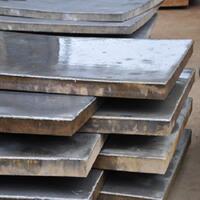
(1070 1045 1020 1010 carbon steel sheets)
Applications of 1070 1045 1020 1010 carbon steel sheets
These carbon steel sheets come in grades like 1010, 1020, 1045, and 1070. Each grade suits different jobs because of its carbon level. They are all tough, affordable, and weldable. This makes them popular across many industries.
1010 steel has very low carbon. It bends and shapes easily without cracking. Factories use it for car body panels, appliance housings, and simple brackets. It forms well but isn’t super strong. It’s a good choice for basic parts needing deep draws.
1020 steel has a bit more carbon than 1010. It offers better strength while still forming okay. You see it in truck frames, structural supports, and general machinery parts. It handles moderate stress reliably. It welds well too.
1045 steel is a medium carbon grade. It balances strength and some toughness. It works well for gears, shafts, axles, and bolts. These parts need to handle higher loads. 1045 can be heat treated for even more hardness. This makes it versatile for demanding components.
1070 steel has high carbon. It gets very hard after heat treatment. This hardness is good for cutting edges and wear resistance. It makes excellent springs, blades, and punches. But it’s brittle. Don’t use it for parts needing bending or impact toughness. Its strength comes from hardness.
Company Introduction
Welcome to Wgraj, a premier global supplier of high-quality metal cladding solutions. We specialize in providing a wide range of metal cladding products, including aluminum, steel, and copper composites, designed to meet the diverse needs of architects, builders, and designers. Our commitment to innovation, durability, and aesthetic excellence ensures that our clients receive top-tier materials for their projects. With state-of-the-art manufacturing facilities and a dedication to customer satisfaction, we deliver reliable, cost-effective solutions worldwide. Partner with us for your metal cladding needs and experience unmatched quality and service.
If you have any questions, please feel free to contact us(nanotrun@yahoo.com).
Payment Methods
T/T, Western Union, Paypal, Credit Card etc.
Shipment Methods
By air, by sea, by express, as customers request.
5 FAQs of 1070 1045 1020 1010 carbon steel sheets
What are the main differences between 1010, 1020, 1045, and 1070 carbon steel sheets?
These grades differ mainly in carbon content. 1010 steel has the least carbon, around 0.10%. 1020 steel has a bit more, about 0.20%. 1045 steel has more carbon again, roughly 0.45%. 1070 steel has the highest carbon, approximately 0.70%. More carbon means the steel gets harder and stronger. More carbon also makes the steel less easy to form or weld.
What are these steel sheets typically used for?
Each grade fits different jobs. 1010 and 1020 sheets are softer. People use them for simple bending or forming parts, like brackets or panels. 1045 sheets are stronger. They work well for parts needing more strength, like gears, axles, or bolts. 1070 sheets are the hardest here. They are often used for high-strength springs, blades, or parts needing wear resistance.
Is 1070 steel much harder than 1010?
Yes, 1070 steel is significantly harder than 1010 steel. The higher carbon in 1070 allows it to reach much higher hardness levels, especially after heat treatment. 1010 steel stays relatively soft. It cannot be hardened like 1070 steel can. 1045 steel hardness falls between 1020 and 1070.
Are all these grades easy to find?
1010, 1020, and 1045 carbon steel sheets are very common. Suppliers usually stock them in various thicknesses and sizes. 1070 sheet might be less common than the others. You might need to check specific suppliers or order it specially. It is still readily available.
Can I cut and weld these steel sheets?
Yes, you can cut and weld all these grades. 1010 and 1020 weld the easiest because they have low carbon. 1045 is weldable but needs more care. Preheating the metal helps avoid cracks. 1070 steel is the hardest to weld well. Its high carbon makes cracking likely. Special welding procedures and post-weld heat treatment are often necessary for 1070. Cutting is straightforward for all grades using standard methods like sawing or plasma cutting.

(1070 1045 1020 1010 carbon steel sheets)
REQUEST A QUOTE
RELATED PRODUCTS
Factory Mild Steel Sheet Coils 1.5mm 1.6mm Carbon Steel Coils Q235 Q235b Q345 Hot Rolled Alloy Carbon Steel Coil
MS hot rolled Carbon structural steel sheets 1075 carbon steel plate ASTM A36 iron steel plate

Factory Direct Medium carbon Non-alloy steel SAE1055 G10550 SAE1060 G10600 carbon steel plate
ASTM AISI Customized Sizes and Specifications Hot Hot Rolled Carbon Steel Coil Grade Q355 Q235 HRC Cold Rolled Steel Coil
S355J2 Heavy plate Q345B Cutting Customized Metal carbon steel plate Sheet