Discover premium surfactants for various applications. Reliable export services, competitive prices, and high performance guaranteed.

PRODUCT PARAMETERS
Description
Overview of Copper Plate
A copper plate is a flat sheet made from copper or copper alloys, widely used in various industries including electrical, construction, and decorative arts. Known for its excellent conductivity, corrosion resistance, and aesthetic appeal, copper plates are versatile materials suited for numerous applications.
Features of Copper Plate
High Electrical Conductivity: Exceptional ability to conduct electricity, making it ideal for electrical components.
Corrosion Resistance: Resists corrosion and oxidation, ensuring long-lasting performance.
Thermal Conductivity: Efficient in conducting heat, useful in heat exchangers and cookware.
Malleability and Ductility: Can be easily shaped into complex forms without breaking.
Antimicrobial Properties: Naturally resists bacterial growth, beneficial in medical and food industries.
Aesthetic Appeal: Offers a unique color and finish, enhancing architectural and artistic projects.
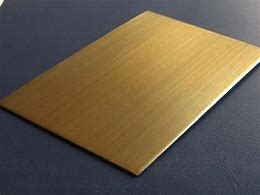
(Copper Cathode Industry Electrolytic Copper Cathode Plate Brass)
Specifications of Copper Cathode Industry Electrolytic Copper Cathode Plate Brass
The product is an electrolytic copper cathode plate designed for industrial use. It is made from high-purity copper. The material meets strict quality standards. The copper content is at least 99.97%. This ensures minimal impurities. The plates are produced through electrorefining. This process removes residual metals. The result is a uniform structure. The surface is smooth and free of defects. This reduces waste during further processing. The standard thickness ranges from 5mm to 15mm. Width varies between 800mm and 1000mm. Length typically falls between 750mm and 900mm. Each plate weighs roughly 100kg to 150kg. Adjustments can be made for custom orders.
The surface quality is critical. Visual inspections check for cracks or uneven edges. Oxidation is prevented using protective coatings. Storage conditions are controlled. Humidity levels stay low. Handling guidelines minimize physical damage. The electrical conductivity is a key feature. Low resistance makes it ideal for electrical applications. Conductivity exceeds 100% IACS (International Annealed Copper Standard). This performance suits high-demand industries.
Applications include electrical wiring, transformers, and power transmission components. The material is also used in brass production. Zinc is added during alloying. This creates durable brass products. The copper cathode acts as the primary raw material. Its consistency ensures reliable alloy composition. Industries like construction and automotive rely on this quality.
Packaging is designed for safe transport. Plates are stacked in wooden crates. Moisture-resistant materials line the containers. Metal strapping secures the load. Labels display batch numbers and specifications. This aids traceability. Compliance with international standards is verified. Certificates include ASTM B115 and ISO 13146. Testing reports confirm chemical and physical properties.
Environmental practices are followed during production. Waste electrolytes are recycled. Energy-efficient methods reduce emissions. Suppliers prioritize ethical sourcing. Copper ore is obtained from regulated mines. Documentation ensures transparency. Buyers receive full material traceability. This supports sustainable manufacturing goals.
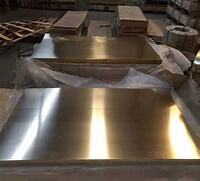
(Copper Cathode Industry Electrolytic Copper Cathode Plate Brass)
Applications of Copper Cathode Industry Electrolytic Copper Cathode Plate Brass
Copper cathode plays a key role in many industries. It is a high-purity form of copper produced through electrolysis. This method removes impurities, creating a material ideal for electrical applications. Electrolytic copper cathode plates are widely used in manufacturing wires, cables, and transformers. Their excellent conductivity ensures efficient power transmission. These plates also form the base for producing alloys like brass.
Brass is a copper-zinc alloy known for durability and corrosion resistance. It relies on copper cathode as a primary raw material. Industries use brass in plumbing fixtures, musical instruments, and decorative hardware. Its malleability allows easy shaping into complex designs. Brass also resists tarnishing, making it suitable for marine and outdoor applications.
The electrical industry depends heavily on copper cathode. Power grids, renewable energy systems, and electronics require its high conductivity. Solar panels and wind turbines use copper wiring to transfer energy efficiently. Electric vehicles use copper in motors and batteries. Demand grows as green energy technologies expand.
Construction sectors utilize copper cathode for plumbing and roofing. Copper pipes last long and resist leaks. They are common in water supply systems. Copper roofing withstands harsh weather and requires little maintenance. Architectural designs often feature copper for its aesthetic appeal.
Electrolytic copper cathode plates are vital in industrial machinery. They serve as raw material for producing rods, tubes, and sheets. These components are essential in manufacturing equipment for agriculture, mining, and transportation. Copper’s thermal conductivity makes it ideal for heat exchangers and cooling systems.
Automotive industries use brass for radiators, connectors, and bearings. Brass parts handle high temperatures and wear. They ensure reliable performance in engines and electrical systems. The alloy’s low friction reduces energy loss in moving parts.
Recycling copper cathode supports sustainability. Scrap copper retains its properties after reprocessing. This reduces mining needs and environmental impact. Industries increasingly adopt recycled copper to meet eco-friendly goals.
Copper cathode and brass remain critical in advancing technology and infrastructure. Their versatility drives innovation across sectors. Continuous improvements in production methods enhance quality and efficiency.
Company Introduction
Welcome to Wgraj, a premier global supplier of high-quality metal cladding solutions. We specialize in providing a wide range of metal cladding products, including aluminum, steel, and copper composites, designed to meet the diverse needs of architects, builders, and designers. Our commitment to innovation, durability, and aesthetic excellence ensures that our clients receive top-tier materials for their projects. With state-of-the-art manufacturing facilities and a dedication to customer satisfaction, we deliver reliable, cost-effective solutions worldwide. Partner with us for your metal cladding needs and experience unmatched quality and service.
If you have any questions, please feel free to contact us(nanotrun@yahoo.com).
Payment Methods
T/T, Western Union, Paypal, Credit Card etc.
Shipment Methods
By air, by sea, by express, as customers request.
5 FAQs of Copper Cathode Industry Electrolytic Copper Cathode Plate Brass
Electrolytic copper cathode plates are high-purity copper sheets. They are produced using electrolysis. This method removes impurities. The result is copper with 99.99% purity. These plates are used in industries needing pure copper. Electrical wiring and electronics are common applications.
The production process starts with copper ore. The ore is processed into copper anodes. These anodes are placed in an acid solution. An electric current passes through the solution. Copper ions move from the anode to the cathode. Impurities settle as sludge. The cathode is removed and melted into shapes.
Brass production relies on electrolytic copper cathodes. Brass is an alloy of copper and zinc. High-purity copper ensures better alloy quality. Brass made this way resists corrosion. It is durable. Applications include plumbing fixtures and musical instruments.
Copper cathodes are preferred for their purity. Impurities affect conductivity and ductility. Electrolysis ensures minimal contaminants. This makes the copper suitable for electrical uses. Manufacturers trust this material for consistent performance.
Quality standards vary by region. Common standards include ASTM B115 and EN 1978. These specify purity levels and physical properties. Buyers should check certifications. Reputable suppliers provide test reports. Compliance ensures product reliability.
Storage conditions matter. Copper cathodes must stay dry. Moisture causes oxidation. This leads to surface discoloration. Storage areas should be well-ventilated. Handling requires clean tools. Contamination from dirt or grease must be avoided.
Prices depend on market demand and copper purity. High-grade cathodes cost more. Buyers should compare quotes. Long-term contracts stabilize costs. Suppliers often offer bulk discounts.
Copper cathode plates are recyclable. Recycling reduces mining needs. It saves energy. Scrap copper retains most properties. This makes it valuable for reuse.
Safety precautions are essential. Workers must wear protective gear. Exposure to copper dust irritates the skin and lungs. Proper ventilation minimizes risks. Spills should be cleaned promptly.
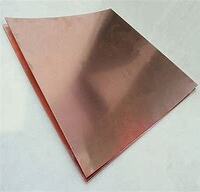
(Copper Cathode Industry Electrolytic Copper Cathode Plate Brass)
REQUEST A QUOTE
RELATED PRODUCTS
Cheap Cathode Copper 99.99 Customized Plate Package 3mm 4mm Copper Sheet
Factory High quality Copper Cathode Plate C11000 99.99% Cathode Copper Plate Brass plate
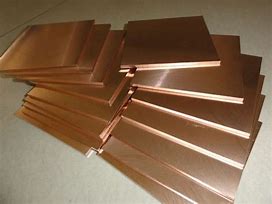
High quality C1100 C10100 C10200 C10300 C12000 99.999% Copper Cathode Pure Copper Sheet plate
Hot s Cheap 99.99% Pure Electrolyte Copper Cathode C12000 C11000 C18150 Customized Copper Plate Sheet
Cu Pure Copper Plate Brass Sheet Spot Scrap Copper Today Per Kg Ingot