Discover premium surfactants for various applications. Reliable export services, competitive prices, and high performance guaranteed.

PRODUCT PARAMETERS
Description
Overview of Stainless Steel Plate
A stainless steel plate is a flat sheet made from steel alloys containing chromium, offering enhanced resistance to corrosion, staining, and rust. Widely used in construction, manufacturing, and various industries for its durability, strength, and aesthetic qualities, stainless steel plates are essential materials for numerous applications.
Features of Stainless Steel Plate
Corrosion Resistance: High resistance to corrosion and rust, even in harsh environments.
Durability and Strength: Extremely durable with high tensile strength.
Temperature Resistance: Performs well under both high and low temperatures.
Hygienic Surface: Easy to clean and maintain, making it ideal for food and medical industries.
Aesthetic Appeal: Available in various finishes, enhancing architectural designs.
Recyclability: Environmentally friendly due to its recyclability and long lifespan.
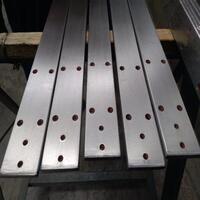
(ASTM 446 S44600 ASTM XM-33 S44626 ASTM XM-27 S44627 stainless steel plate)
Specifications of ASTM 446 S44600 ASTM XM-33 S44626 ASTM XM-27 S44627 stainless steel plate
ASTM 446 S44600, also known as ASTM XM-33 S44626, and ASTM XM-27 S44627 are ferritic stainless steel plates. These steels offer excellent corrosion resistance. They are particularly good against stress corrosion cracking. This makes them very useful in harsh environments.
The main element in these steels is chromium. They contain about 26% chromium. This high chromium level provides strong resistance to oxidizing acids. Nitric acid is a common example. They also resist general corrosion well. Pitting and crevice corrosion resistance is good too. These plates handle high temperatures effectively. They are suitable for heat exchangers.
ASTM 446 S44600 (XM-33) has a balanced composition. It includes controlled levels of carbon and nitrogen. This balance enhances its corrosion resistance. It also improves its toughness. This grade is reliable for many demanding applications.
ASTM XM-27 S44627 is similar. It has extra low carbon and nitrogen levels. This further boosts its corrosion resistance. It performs exceptionally well in strong nitric acid service. It is a top choice for nitric acid production equipment. Chemical processing plants use it widely.
ASTM XM-33 S44626 offers another option. It contains added molybdenum. Molybdenum increases resistance to pitting and crevice corrosion. This is valuable in chloride-containing environments. It withstands these conditions better than the other grades. It provides extra security where chlorides are present.
These stainless steel plates are strong. They have good mechanical properties. Fabrication follows standard methods for ferritic stainless steels. They are often used in welded construction. Proper welding techniques are necessary. This ensures the material keeps its corrosion resistance.
Common applications include heat exchangers. Chemical processing equipment uses these plates. Pollution control systems benefit from them. Components exposed to nitric acid rely on them. They are essential in environments needing high corrosion resistance and strength.
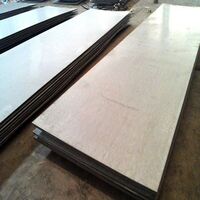
(ASTM 446 S44600 ASTM XM-33 S44626 ASTM XM-27 S44627 stainless steel plate)
Applications of ASTM 446 S44600 ASTM XM-33 S44626 ASTM XM-27 S44627 stainless steel plate
These stainless steel plates meet ASTM standards. ASTM 446 (S44600), XM-33 (S44626), and XM-27 (S44627) are ferritic grades. They resist rusting very well. This is especially true in tough environments like salt water or acidic chemicals. People use these plates where corrosion is a big problem.
Heat exchangers are a common application. These plates handle hot liquids and gases efficiently. They last a long time in these hot, wet conditions. Pollution control systems need this material too. Exhaust gas scrubbers deal with nasty acids. These steels hold up well.
Chemical processing plants rely on these plates. They build tanks, pipes, and reaction vessels. The material stands up to harsh chemicals. Desalination plants use seawater to make fresh water. The salty environment is tough. These plates perform reliably there.
Power generation is another major use. Condensers and feedwater heaters operate continuously. They need durable materials. These steels provide that. Pulp and paper mills use them. The process involves corrosive chemicals and high heat. The plates resist attack.
These ferritic steels offer good value. They are often cheaper than austenitic grades like 304 or 316. They provide similar corrosion resistance for many jobs. Fabrication is straightforward. Workers can cut, form, and weld the plates using standard methods. This saves time and money.
The high chromium content gives excellent oxidation resistance. This means the plates handle high temperatures well. They resist scaling and deterioration. Applications like furnace parts benefit. Long service life is important. This material delivers that.
Maintenance costs go down. Equipment lasts longer before needing repair or replacement. Downtime is reduced. Plant managers appreciate this reliability. Selecting the right grade depends on the specific environment. Each alloy has slight differences. Engineers match the plate to the job.
Company Introduction
Welcome to Wgraj, a premier global supplier of high-quality metal cladding solutions. We specialize in providing a wide range of metal cladding products, including aluminum, steel, and copper composites, designed to meet the diverse needs of architects, builders, and designers. Our commitment to innovation, durability, and aesthetic excellence ensures that our clients receive top-tier materials for their projects. With state-of-the-art manufacturing facilities and a dedication to customer satisfaction, we deliver reliable, cost-effective solutions worldwide. Partner with us for your metal cladding needs and experience unmatched quality and service.
If you have any questions, please feel free to contact us(nanotrun@yahoo.com).
Payment Methods
T/T, Western Union, Paypal, Credit Card etc.
Shipment Methods
By air, by sea, by express, as customers request.
5 FAQs of ASTM 446 S44600 ASTM XM-33 S44626 ASTM XM-27 S44627 stainless steel plate
What makes ASTM 446, XM-33, and XM-27 stainless steel plates different?
These are all ferritic stainless steels. ASTM 446 (S44600) is the base grade. XM-33 (S44626) and XM-27 (S44627) are improved versions. XM-33 and XM-27 have much lower carbon and nitrogen levels. This makes them tougher and more weldable. They also have extra elements like molybdenum or niobium for better performance.
Are these plates good for resisting rust?
Yes, they resist rust well. They handle many corrosive environments effectively. They are especially good against chloride stress corrosion cracking. This cracking is a big problem for other stainless steels. XM-33 and XM-27 perform even better than basic 446 in many situations. They resist pitting and crevice corrosion better too.
How strong and tough are these stainless steel plates?
Ferritic steels like these are strong. They have good yield strength. Their toughness can be lower than austenitic steels (like 304). This is especially true at very cold temperatures. XM-33 and XM-27 are better than basic 446. Their cleaner chemistry (low C+N) improves toughness and ductility. They are easier to form without cracking.
Where are these stainless steel plates typically used?
Their corrosion resistance drives their use. Common applications include heat exchangers. They are used in condensers and tubing systems. They work well in chemical processing equipment. They are chosen for water heaters and desalination plants. They handle hot water and steam systems effectively. They are used where chloride cracking is a risk.
Can these plates be heat treated?
Ferritic stainless steels harden mainly through cold working. They do not gain strength by quenching and tempering like carbon steels. Annealing is the main heat treatment. Annealing softens the material after cold forming. It also helps restore corrosion resistance. Proper annealing temperature and cooling rate are important. This avoids problems like embrittlement.
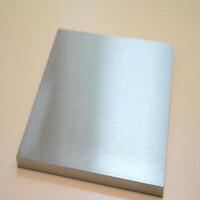
(ASTM 446 S44600 ASTM XM-33 S44626 ASTM XM-27 S44627 stainless steel plate)
REQUEST A QUOTE
RELATED PRODUCTS

SS Sheet 201 304 316 430 Cold Rolled Hot Rolled Stainless Steel Plate
High quality ASTM SUS 304 stainless steel sheet plate/430 stainless steel sheet factory wholes/stainless steel plates
2mm 304 stainless steel sheet 310s stainless steel plate
Industrial Durable 5mm 6mm 8mm 10mm 304 316 Stainless Steel Plate