Discover premium surfactants for various applications. Reliable export services, competitive prices, and high performance guaranteed.


PRODUCT PARAMETERS
Description
Overview of Carbon Steel Plate
Carbon steel plates are fundamental materials used across various industries due to their strength, versatility, and cost-effectiveness. They are composed primarily of iron and carbon, with small amounts of other elements. These plates can be cut, formed, and joined in numerous ways to suit different applications, ranging from construction to manufacturing.
Features of Carbon Steel Plate
High Strength: Offers excellent mechanical properties for demanding applications.
Versatility: Suitable for a wide range of industrial uses including structural, machinery, and tooling.
Cost-Effective: Provides an economical solution without compromising on performance.
Ductility: Can be easily shaped or formed into desired configurations.
Durability: Resistant to wear and tear, ensuring long-lasting performance.
Weldability: Capable of being welded without loss of integrity or strength.
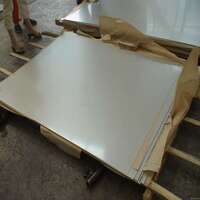
(15CrMoR 12CrMoV 16Mn High Strength Pressure Vessel plate Carbon steel plate Sheet)
Specifications of 15CrMoR 12CrMoV 16Mn High Strength Pressure Vessel plate Carbon steel plate Sheet
These carbon steel plates are built tough for pressure vessels. They handle high pressure and heat well. The main types are 15CrMoR, 12CrMoV, and 16Mn. Each has specific strengths for different jobs.
15CrMoR plate offers good heat resistance. It works well for vessels needing strength at moderate temperatures. Common thicknesses range from about 6mm to 250mm. Widths are usually up to 4000mm. Lengths often reach 18000mm. It follows standards like GB 713. This steel is common in boilers and heat exchangers.
12CrMoV plate is stronger at higher temperatures. It handles heat better than some other carbon steels. This makes it suitable for high-temperature pressure vessels. Available thicknesses are similar to 15CrMoR. It also meets GB 713 standards. Power plants and petrochemical equipment frequently use this material.
16Mn plate is a high-strength low-alloy steel. It provides excellent toughness and weldability. This steel is very versatile for pressure vessels. Thickness options are broad. Widths and lengths match the other grades. It conforms to standards like GB 713 or ASME SA-516 Gr.70. You find it in storage tanks, reactors, and many general pressure vessels.
All three plates undergo strict testing. This includes checks for tensile strength, yield strength, and impact toughness. Chemical composition is tightly controlled. The plates must resist cracking and handle pressure safely. Proper heat treatment ensures the right properties. Surface quality is important too. Defects are not allowed. Manufacturers provide detailed test reports. These plates are essential for safe industrial operations.
(15CrMoR 12CrMoV 16Mn High Strength Pressure Vessel plate Carbon steel plate Sheet)
Applications of 15CrMoR 12CrMoV 16Mn High Strength Pressure Vessel plate Carbon steel plate Sheet
15CrMoR, 12CrMoV, and 16Mn high-strength carbon steel plates are essential materials for building pressure vessels. These plates handle intense pressure and high temperatures reliably. Pressure vessels store or process gases, liquids, and other substances under pressure. Safety is critical. These steels meet strict standards.
15CrMoR plate excels in high-temperature situations. It contains chromium and molybdenum. These elements boost its strength and resistance to heat. This makes 15CrMoR ideal for boilers, heat exchangers, and reactors operating hot. Power plants and petrochemical facilities rely on it heavily. Its performance under heat stress is dependable.
12CrMoV plate also performs well with heat and pressure. It includes chromium, molybdenum, and vanadium. The vanadium improves its strength and toughness further. This steel resists something called creep. Creep is slow deformation under stress over time. 12CrMoV suits high-temperature pressure vessels and piping systems. It’s common in refineries and chemical processing.
16Mn plate offers excellent strength and toughness at a good value. It’s a carbon-manganese steel. This plate forms well and welds easily. 16Mn handles moderate pressure and temperature conditions effectively. You find it widely used in storage tanks, separators, and other general pressure vessels. Water treatment plants and compressed air systems use it. It provides reliable performance for many standard applications.
Each steel type serves specific needs. Choosing the right plate depends on the operating pressure, temperature, and the substance inside the vessel. Fabricators value these materials for their consistent properties. They build safe, long-lasting pressure equipment. Industries like oil and gas, chemical manufacturing, and power generation depend on these plates daily. Proper material selection ensures vessel integrity and operational safety.
Company Introduction
Welcome to Wgraj, a premier global supplier of high-quality metal cladding solutions. We specialize in providing a wide range of metal cladding products, including aluminum, steel, and copper composites, designed to meet the diverse needs of architects, builders, and designers. Our commitment to innovation, durability, and aesthetic excellence ensures that our clients receive top-tier materials for their projects. With state-of-the-art manufacturing facilities and a dedication to customer satisfaction, we deliver reliable, cost-effective solutions worldwide. Partner with us for your metal cladding needs and experience unmatched quality and service.
If you have any questions, please feel free to contact us(nanotrun@yahoo.com).
Payment Methods
T/T, Western Union, Paypal, Credit Card etc.
Shipment Methods
By air, by sea, by express, as customers request.
5 FAQs of 15CrMoR 12CrMoV 16Mn High Strength Pressure Vessel plate Carbon steel plate Sheet
What are these steel plates for?
These steel plates are made for building pressure vessels. They handle high pressure and temperature. Common types are 15CrMoR, 12CrMoV, and 16Mn. You find them in boilers, heat exchangers, and storage tanks.
Why are they called “high strength”?
These plates are much stronger than regular carbon steel. They resist deformation under huge pressure. This strength comes from special alloying elements like chromium and molybdenum. It allows building lighter vessels that hold more pressure safely.
What’s different between 15CrMoR, 12CrMoV, and 16Mn?
The key difference is their chemical makeup and properties. 15CrMoR has chromium and molybdenum for good heat resistance. 12CrMoV adds vanadium for better creep strength at high temperatures. 16Mn relies on manganese for solid strength and toughness at lower cost. The right choice depends on your specific pressure and temperature needs.
Are these plates safe for pressure vessels?
Yes, absolutely. They must meet strict international standards. Common standards are ASME, EN 10028, or GB 713. Manufacturers certify each plate batch. Testing includes checks for strength, toughness, and chemical composition. This ensures reliable performance under pressure.
Where are these plates typically used?
They are vital in industries needing safe pressure containment. Oil refineries use them for reactors and separators. Chemical plants use them in processing vessels. Power generation relies on them for boilers and steam drums. They are also used in large storage tanks for gases and liquids.
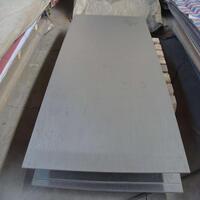
(15CrMoR 12CrMoV 16Mn High Strength Pressure Vessel plate Carbon steel plate Sheet)
REQUEST A QUOTE
RELATED PRODUCTS
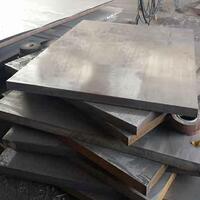
A36 8mm ms sheet 10mm 12mm thick steel plate Hot Rolled Carbon Steel Plates carbon steel sheet

Factory fast delivery customized Q195 Q215 Q235 Q255 Q275 Q355 Ss400 2mm 5mm 6mm 10mm high quality carbon steel plates
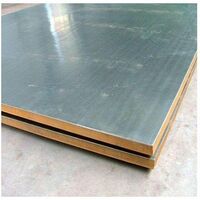
Good Quality A36 0.4mm 1mm Metal Black Carbon Steel Plate Sheet for Construction
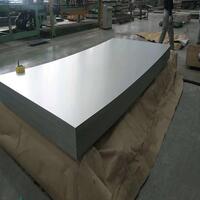
Hot Rolled Shipbuilding carbon Steel Plate 6mm 8mm 9mm 12mm Black Surface Iron Ship Steel Sheet Plate
China Manufacture Hot Rolled Steel Sheet 20mm 25mm 30mm 40mm 50mm Thick S355 S355jr Q355b S355jr N Carbon Steel Plate