Discover premium surfactants for various applications. Reliable export services, competitive prices, and high performance guaranteed.

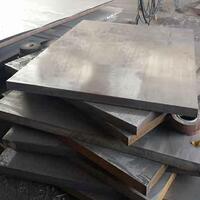
PRODUCT PARAMETERS
Description
Overview of Carbon Steel Plate
Carbon steel plates are fundamental materials used across various industries due to their strength, versatility, and cost-effectiveness. They are composed primarily of iron and carbon, with small amounts of other elements. These plates can be cut, formed, and joined in numerous ways to suit different applications, ranging from construction to manufacturing.
Features of Carbon Steel Plate
High Strength: Offers excellent mechanical properties for demanding applications.
Versatility: Suitable for a wide range of industrial uses including structural, machinery, and tooling.
Cost-Effective: Provides an economical solution without compromising on performance.
Ductility: Can be easily shaped or formed into desired configurations.
Durability: Resistant to wear and tear, ensuring long-lasting performance.
Weldability: Capable of being welded without loss of integrity or strength.
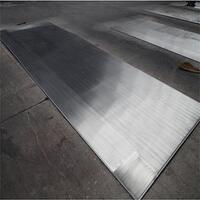
(AISI Q235C Carbon Steel Plate Sheet Hot Rolled Q345R & Q355R ASTM & BS Standard for Cutting & Welding)
Specifications of AISI Q235C Carbon Steel Plate Sheet Hot Rolled Q345R & Q355R ASTM & BS Standard for Cutting & Welding
AISI Q235C carbon steel plate sheet offers reliable strength for many industrial uses. This hot rolled material provides good formability and weldability. It suits general construction and machinery parts well. Q345R and Q355R steel plates deliver higher strength and better toughness. These grades handle pressure vessel applications effectively. They resist cracking under demanding conditions. Both ASTM and BS standards govern these steel plates. This ensures consistent quality and performance worldwide. Buyers get material meeting strict international specifications.
The hot rolling process creates these plates. It shapes steel at high temperatures. This method improves the material’s internal structure. It enhances overall strength and toughness. Plates come in various thicknesses and widths. Common sizes are readily available for immediate projects. Custom dimensions are also possible for specific needs. Surface quality is generally good for hot rolled steel. Some scaling might occur. This is normal and easily removed before fabrication.
Cutting these steel plates is straightforward. Standard methods work well. Plasma cutting, laser cutting, and oxy-fuel cutting are common choices. Waterjet cutting is excellent for complex shapes. Shearing suits thinner gauges effectively. Welding Q235C, Q345R, and Q355R is generally uncomplicated. Use standard welding procedures. Follow recommended preheat and interpass temperatures for thicker Q345R/Q355R sections. This prevents weld cracking. Good weld integrity is achievable. Post-weld heat treatment might be needed for critical pressure vessel applications.
These plates offer dependable mechanical properties. Yield strength and tensile strength meet standard requirements. They provide good ductility for forming operations. Impact toughness at low temperatures is a key feature for Q345R/Q355R. Chemical composition is carefully controlled. Carbon, manganese, silicon, and trace elements stay within defined limits. Trace elements like phosphorus and sulfur are kept low. This enhances weldability and overall performance. Material test certificates confirm compliance. These documents verify the steel meets the ordered grade and standard.

(AISI Q235C Carbon Steel Plate Sheet Hot Rolled Q345R & Q355R ASTM & BS Standard for Cutting & Welding)
Applications of AISI Q235C Carbon Steel Plate Sheet Hot Rolled Q345R & Q355R ASTM & BS Standard for Cutting & Welding
AISI Q235C carbon steel plate is common hot rolled material. Q345R and Q355R grades are also widely used. These plates offer good strength. They are suitable for many industrial jobs. Cutting these plates is straightforward. Plasma cutting works well. Oxy-fuel cutting is another option. Laser cutting gives clean edges. Welding these steels is reliable. Q235C, Q345R, and Q355R weld easily with common methods. Stick welding (SMAW) is fine. MIG/MAG welding (GMAW) is efficient. Submerged arc welding (SAW) handles thicker sections. Proper preheat might be needed for thicker Q345R or Q355R plates. This prevents cracking. Post-weld heat treatment is sometimes required for stress relief. Follow the standard guidelines. These plates meet ASTM and BS standards. This ensures quality and consistency. ASTM A36/A36M covers structural carbon steel. ASTM A573/A573M provides higher toughness. BS EN 10025 defines European structural steels. These standards guarantee the material properties. You know the steel will perform. Applications are diverse. Construction uses these plates for building frames. Bridges need strong, weldable steel. Q345R and Q355R are common here. Pressure vessel manufacturing uses Q345R specifically. Boilers and storage tanks rely on it. Machinery bases need durable plate. Q235C is often chosen. Shipbuilding uses these grades for hulls and decks. Transportation equipment uses them for trailers and chassis. Mining equipment faces heavy wear. These plates hold up. Fabrication shops use them daily. They are versatile and cost-effective. The hot rolled process gives a good surface for coating or painting. Dimensional tolerances are suitable for fabrication. Availability is usually good. Select the right grade for your project’s strength needs. Q235C offers basic strength. Q345R provides higher yield strength. Q355R offers similar strength to Q345R under the newer EN standard. Consider the required impact toughness. Check the specific standard for details. Cutting and welding success depends on correct procedures. Always refer to the material certification.
Company Introduction
Welcome to Wgraj, a premier global supplier of high-quality metal cladding solutions. We specialize in providing a wide range of metal cladding products, including aluminum, steel, and copper composites, designed to meet the diverse needs of architects, builders, and designers. Our commitment to innovation, durability, and aesthetic excellence ensures that our clients receive top-tier materials for their projects. With state-of-the-art manufacturing facilities and a dedication to customer satisfaction, we deliver reliable, cost-effective solutions worldwide. Partner with us for your metal cladding needs and experience unmatched quality and service.
If you have any questions, please feel free to contact us(nanotrun@yahoo.com).
Payment Methods
T/T, Western Union, Paypal, Credit Card etc.
Shipment Methods
By air, by sea, by express, as customers request.
5 FAQs of AISI Q235C Carbon Steel Plate Sheet Hot Rolled Q345R & Q355R ASTM & BS Standard for Cutting & Welding
Here are 5 common questions about AISI Q235C, Q345R, and Q355R Hot Rolled Carbon Steel Plates:
What’s the main difference between Q235C, Q345R, and Q355R plates? Q235C is general structural steel. It offers good strength for basic uses. Q345R and Q355R are pressure vessel steels. They handle higher pressure and temperatures. Q355R often replaces Q345R in newer standards. Both Q345R and Q355R have stricter quality checks than Q235C.
Which standards apply to these plates? These plates follow specific international rules. Q235C typically meets Chinese GB/T 3274. Q345R meets Chinese GB 713. Q355R meets newer GB/T 713 or EN 10028 standards. They also correspond to common ASTM specs like A36 or A516. BS standards like BS EN 10025 are relevant too. Always check the exact standard needed for your job.
Can I cut these steel plates easily? Yes, cutting is standard. Methods include flame cutting, plasma cutting, and laser cutting. Q235C cuts most easily. Q345R and Q355R need slightly more care. Preheating might be necessary before cutting thicker sections. This prevents cracking. Follow standard cutting practices for carbon steel.
What about welding Q345R and Q355R plates? Welding is possible but needs preparation. Use suitable low-hydrogen welding rods or wires. Clean the weld area very well first. Remove rust, oil, and moisture. Preheating is often required for Q345R and Q355R. This depends on thickness and conditions. Control the heat input during welding. Follow the welding procedure specification exactly. Post-weld heat treatment is sometimes needed.
Do these plates resist rust well? These are carbon steels. They rust when exposed to air and moisture. Q235C has no special corrosion protection. Q345R and Q355R offer slightly better performance under pressure. They still need protection for long-term outdoor use. Apply paint, coatings, or galvanizing. Consider the environment. Use stainless steel for severe corrosion cases.
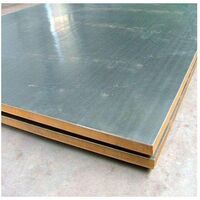
(AISI Q235C Carbon Steel Plate Sheet Hot Rolled Q345R & Q355R ASTM & BS Standard for Cutting & Welding)
REQUEST A QUOTE
RELATED PRODUCTS
High Quality carbon Structural steel Sheet 1065 High carbon steel plate
Prime Quality High Strength Customized Grade 36 40 42 55 Carbon Steel Plates Sheets
High temperature carbon steel plate P275NH P355NH P420M Pressure Vessels steel sheet plate
Best s235jr s355jr q355b 3mm 4mm 6mm 8mm medium and thick astm approved carbon steel plate
Hot Rolled Carbon Steel As/nzs 1594 Ha250 Ha350 Laser Plate