Discover premium surfactants for various applications. Reliable export services, competitive prices, and high performance guaranteed.

PRODUCT PARAMETERS
Description
Overview of Copper Plate
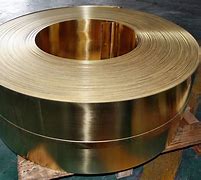
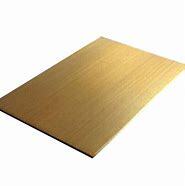
A copper plate is a flat sheet made from copper or copper alloys, widely used in various industries including electrical, construction, and decorative arts. Known for its excellent conductivity, corrosion resistance, and aesthetic appeal, copper plates are versatile materials suited for numerous applications.
Features of Copper Plate
High Electrical Conductivity: Exceptional ability to conduct electricity, making it ideal for electrical components.
Corrosion Resistance: Resists corrosion and oxidation, ensuring long-lasting performance.
Thermal Conductivity: Efficient in conducting heat, useful in heat exchangers and cookware.
Malleability and Ductility: Can be easily shaped into complex forms without breaking.
Antimicrobial Properties: Naturally resists bacterial growth, beneficial in medical and food industries.
Aesthetic Appeal: Offers a unique color and finish, enhancing architectural and artistic projects.

Specifications of C14500 Tellurium Copper QTe0.5 Sheet plate for electrical
C14500 Tellurium Copper QTe0.5 Sheet Plate– Electrical Quality
Material Composition and Quality
C14500 tellurium copper, likewise called QTe0.5, consists of about 0.4– 0.7% tellurium and the rest is high-purity copper. This tiny addition of tellurium substantially improves machinability without lowering electric conductivity much. The material keeps over 90% IACS (International Annealed Copper Requirement) conductivity, making it optimal for components that require both excellent current circulation and very easy shaping.
Physical and Mechanical Functions
The sheet plate offers strong mechanical efficiency. Common tensile toughness ranges from 260 to 340 MPa. Yield toughness sits around 140 to 210 MPa. Prolongation is normally in between 10% and 20%, offering the material sufficient adaptability for bending or creating. It continues to be stable under typical operating temperature levels and stands up to softening better than numerous other free-machining coppers.
Electrical Efficiency
High electric conductivity is an essential reason designers pick C14500 for electrical applications. Its conductivity stays regular across typical solution problems. This makes it appropriate for busbars, switchgear contacts, terminal connectors, and various other parts where trusted power transmission matters.
Manufacture and Machining
This alloy machines cleanly and promptly. Tool wear is reduced, and surface coatings are smooth. It can be stamped, punched, or formed with typical equipment. Welding is possible making use of resistance or brazing methods, though care has to be taken to prevent overheating. The product does not require special handling during construction.
Requirements and Availability
C14500 satisfies ASTM B187 and UNS C14500 specs. Sheets and plates can be found in various thicknesses– from thin gauges approximately several millimeters– and can be provided in different moods: soft (annealed), half-hard, or hard, depending upon the application requires. Surface surface choices include mill coating or personalized treatments upon request.
Applications of C14500 Tellurium Copper QTe0.5 Sheet plate for electrical
Applications of C14500 Tellurium Copper QTe0.5 Sheet Plate in Electric Equipments
High Conductivity with Enhanced Machinability
C14500 tellurium copper, also referred to as QTe0.5, integrates superb electric conductivity with superior machinability. This makes it a wise selection for parts that need to carry existing and likewise be formed precisely. The addition of tellurium– about 0.5%– significantly boosts just how easily the material can be cut, drilled, or turned without losing its ability to carry out electrical power well.
Typical Electric Uses
This copper alloy is widely utilized in electrical connectors, switch over parts, and incurable blocks. These parts commonly require limited resistances and smooth surfaces to make certain trustworthy contact and lengthy service life. C14500 delivers both. It functions well in high-volume production due to the fact that it machines rapidly and easily, reducing device wear and manufacturing time.
Performance in Demanding Environments
C14500 maintains steady efficiency even under repeated thermal biking or mechanical stress and anxiety. That’s why it’s relied on circuit breakers, relay get in touches with, and busbars. Its resistance to softening at raised temperatures helps maintain connections protect over time. The material likewise resists corrosion in common interior electrical atmospheres, which sustains constant operation.
Manufacture Advantages
Producers choose C14500 sheet and plate when they require to produce complicated shapes without sacrificing conductivity. Unlike pure copper, which can be gummy and slow to machine, tellurium copper cuts easily and holds fine information. This is especially valuable for marking tiny contact fingers or developing elaborate braces made use of in power circulation units.
Sector Adoption
Electric devices manufacturers throughout industrial automation, power transmission, and customer electronic devices count on C14500. Its equilibrium of workability and efficiency fulfills the needs of modern designs where area is restricted and integrity is important. Engineers specify it when standard brass or bronze alloys fail on conductivity, and pure copper confirms as well tough to machine efficiently.
Company Introduction
Welcome to Wgraj, a premier global supplier of high-quality metal cladding solutions. We specialize in providing a wide range of metal cladding products, including aluminum, steel, and copper composites, designed to meet the diverse needs of architects, builders, and designers. Our commitment to innovation, durability, and aesthetic excellence ensures that our clients receive top-tier materials for their projects. With state-of-the-art manufacturing facilities and a dedication to customer satisfaction, we deliver reliable, cost-effective solutions worldwide. Partner with us for your metal cladding needs and experience unmatched quality and service.
If you have any questions, please feel free to contact us(nanotrun@yahoo.com).
Payment Methods
T/T, Western Union, Paypal, Credit Card etc.
Shipment Methods
By air, by sea, by express, as customers request.
5 FAQs of C14500 Tellurium Copper QTe0.5 Sheet plate for electrical
Frequently Asked Questions: C14500 Tellurium Copper (QTe0.5) Sheet Plate for Electrical Applications
What is C14500 Tellurium Copper?
C14500 is a copper alloy with a small amount of tellurium added—about 0.5%. This addition improves machinability without hurting electrical conductivity. It keeps good thermal and electrical performance while being easier to machine than pure copper.
Why choose QTe0.5 sheet plate for electrical parts?
This material offers high electrical conductivity—around 93% IACS—and excellent machinability. It works well for parts like busbars, connectors, and switchgear components. You get reliable performance and faster production because the material cuts cleanly and quickly.
Is C14500 suitable for high-precision applications?
Yes. The fine grain structure and consistent composition allow tight tolerances during machining. It holds dimensional stability well, which is important for precision electrical contacts and terminals.
How does it compare to other copper alloys?
Compared to C11000 (electrolytic tough pitch copper), C14500 machines much faster with less tool wear. Unlike leaded coppers, it avoids lead contamination, making it safer and more environmentally friendly. Its conductivity stays close to pure copper levels.
Can it be welded or joined easily?
C14500 can be joined using common methods like brazing, soldering, and resistance welding. Avoid oxyacetylene welding—it may cause issues due to tellurium. For best results, follow standard copper joining practices and use compatible filler materials.
REQUEST A QUOTE
RELATED PRODUCTS
Customized H65 H62 H90 H80 TP1 Cu 99.99% Pure Metal Copper plate Copper sheet
bronze bearing flanged self lubricating bushes stainless steel spheres solid sintered copper plate slide bush bearing
Customized 32650 copper nickel welding plate, busbar plate, copper rod welding nickel plate
One ton minimum order cheap source copper plate 10 cm2

One ton minimum order cheap source a2000 copper plate